
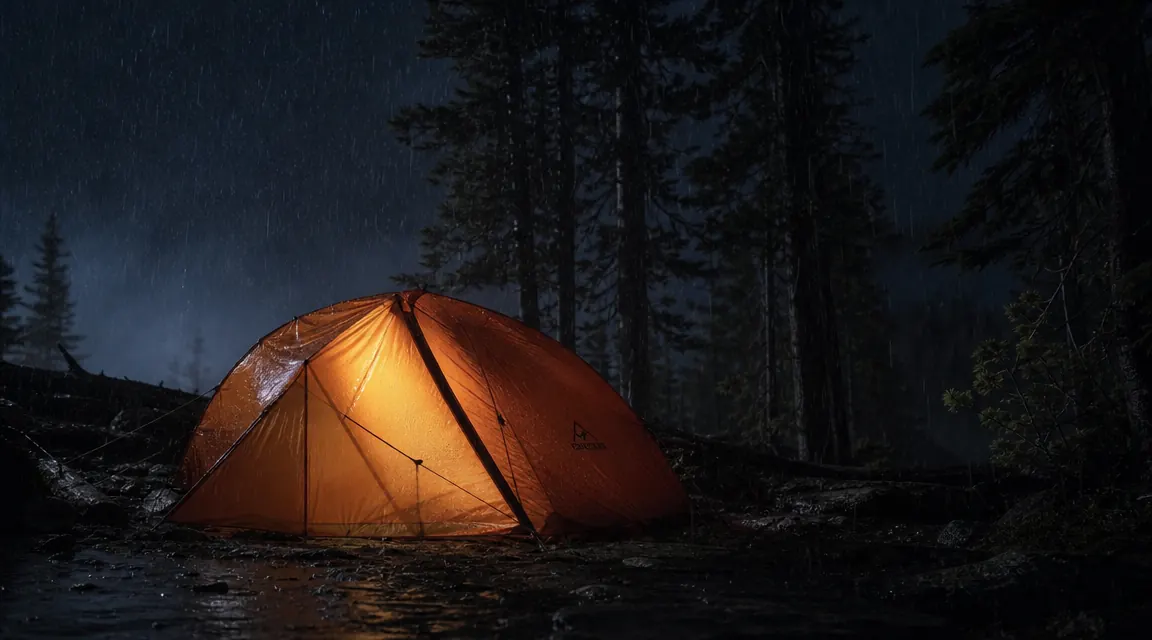
I checked the forecast four times that Thursday. Every time, it gave me the same answer: heavy rain starting Friday evening, tapering Saturday afternoon, 60 percent chance of thunderstorms overnight. My planned solo trip into the Cascades was a long weekend I'd been looking forward to for six weeks. I had the site reserved, the food prepped, the car half-packed. And I was about five minutes away from cancelling the whole thing.
The reason I was going to bail wasn't the weather itself. It was my tent. I'd been using a basic two-person dome tent I bought years ago for car camping. It weighed close to seven pounds. The rainfly had a seam that had delaminated at one corner and I'd been meaning to reseal it since the previous spring. Pitching it in steady rain is a two-person job, and I was going alone. The math on that trip wasn't good.
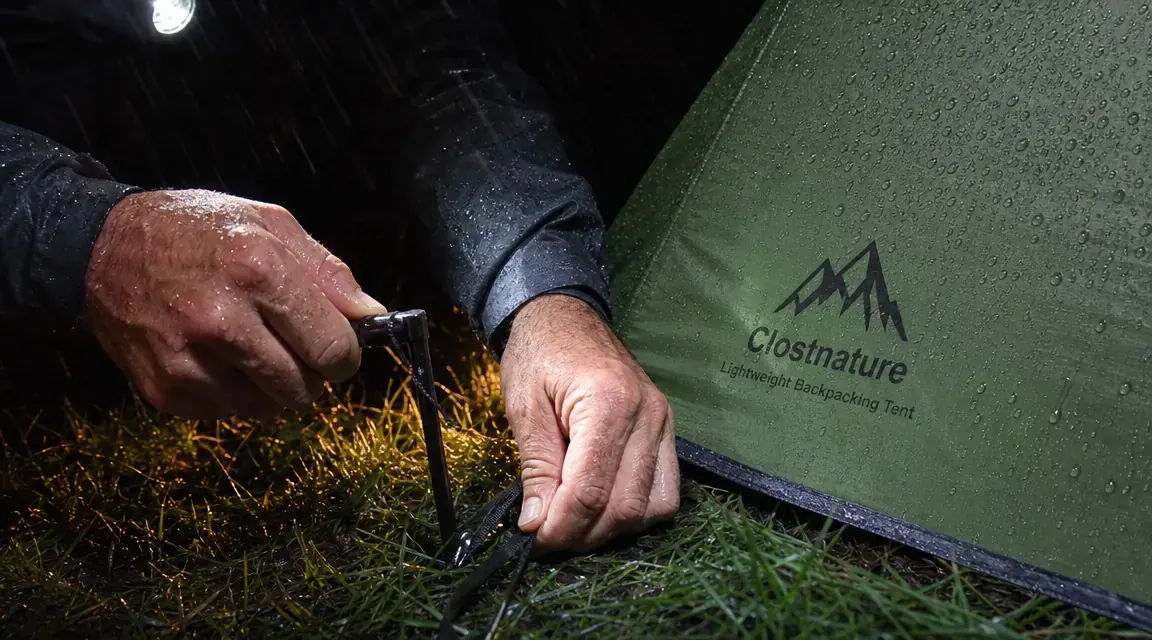
A buddy of mine had been nudging me for months to look at the Clostnature lightweight backpacking tent. He'd picked it up earlier that spring, used it through two rainy weekends in the Olympics, and kept saying it was the best shelter decision he'd made in years. I'd looked at the listing a few times but kept putting it off. I figured my old tent was fine. 'Fine' is a word that lies to you a lot in the outdoors.
I ordered the Clostnature on Thursday night. Paid for two-day shipping, which still felt slightly reckless. It arrived Friday morning, I did a practice pitch in the backyard in about nine minutes, tossed it in my pack, and drove up to the trailhead. I was in the tent by 6:30 pm when the first real rain started coming down. And here's the thing: I was completely fine. Not just fine. Comfortable. The fly was taut, the seams held, there was no puddling inside, and the ventilation kept condensation off the inner walls even with the door zipped shut. I fell asleep listening to rain hit the fly and it sounded like white noise, not a problem I'd have to deal with in the morning.
I'd spent two years camping around a tent I didn't trust. I didn't realize how much mental energy that was taking until I was in a tent that worked.
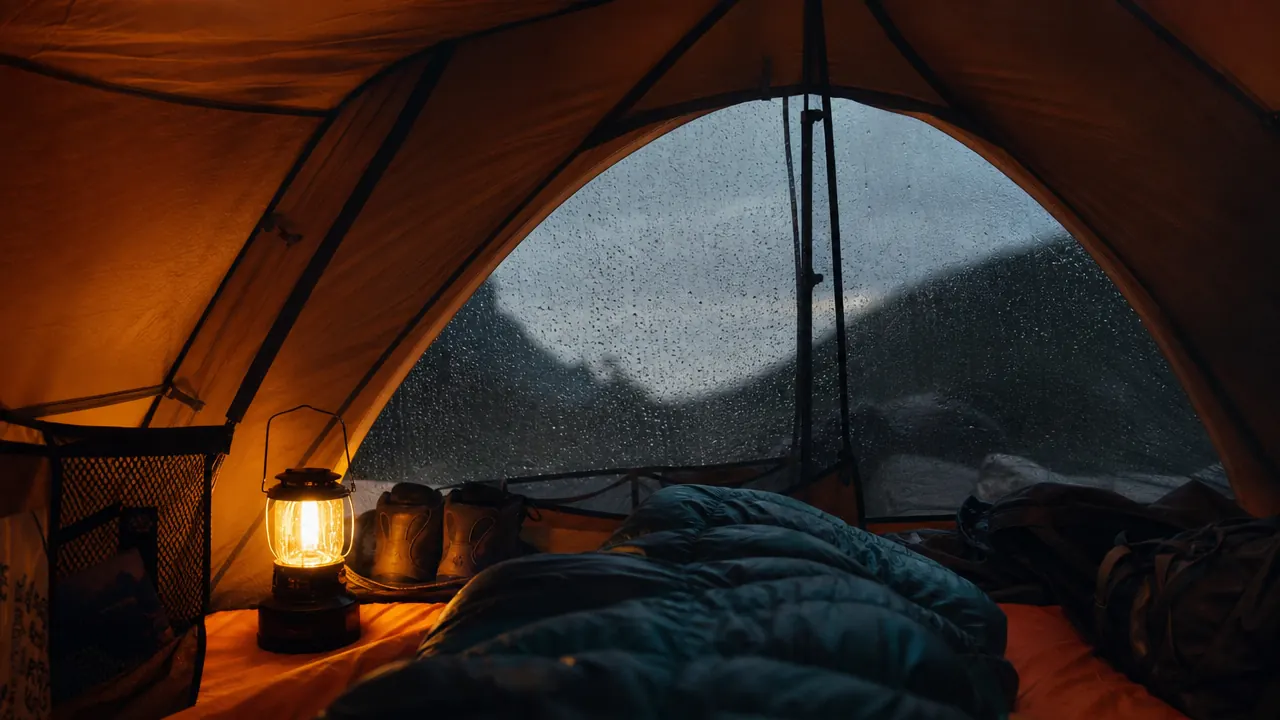
The Clostnature 2-person ultralight tent is a 3-season double-wall design with a full-coverage rainfly, two doors, two vestibules, and pre-bent DAC poles that go up fast and stay secure. At 4.4 lbs for the whole package, poles and stakes included, it's genuinely packable for backpacking without being so ultralight that you're sacrificing headroom or livability. The interior is 88 square feet with enough sitting height that I don't feel like I'm crouching the whole trip. It has over 2,900 reviews on Amazon with a 4.6-star average, and after that weekend, I completely understand why.
Stop planning trips around what your tent can't handle.
The Clostnature 2-person lightweight tent is what Marcus used on that rainy Cascades trip. Under five pounds, two vestibules, full-coverage fly. Check current availability on Amazon.
Amazon Check Today's Price on Amazon →What I noticed most that first trip wasn't the weight savings, although 2.5 fewer pounds on a 12-mile day absolutely matters. It was the pitch speed. Both times I set up and broke down camp that weekend, I was packed and moving in under 15 minutes. With my old tent, that number was closer to 35 minutes including the time I'd spend fighting the fly back into its stuff sack. The Clostnature poles are color-coded, the guylines are pre-attached, and the whole thing goes together in an order that makes sense. You stop thinking about the tent and start thinking about everything else you actually came to do.
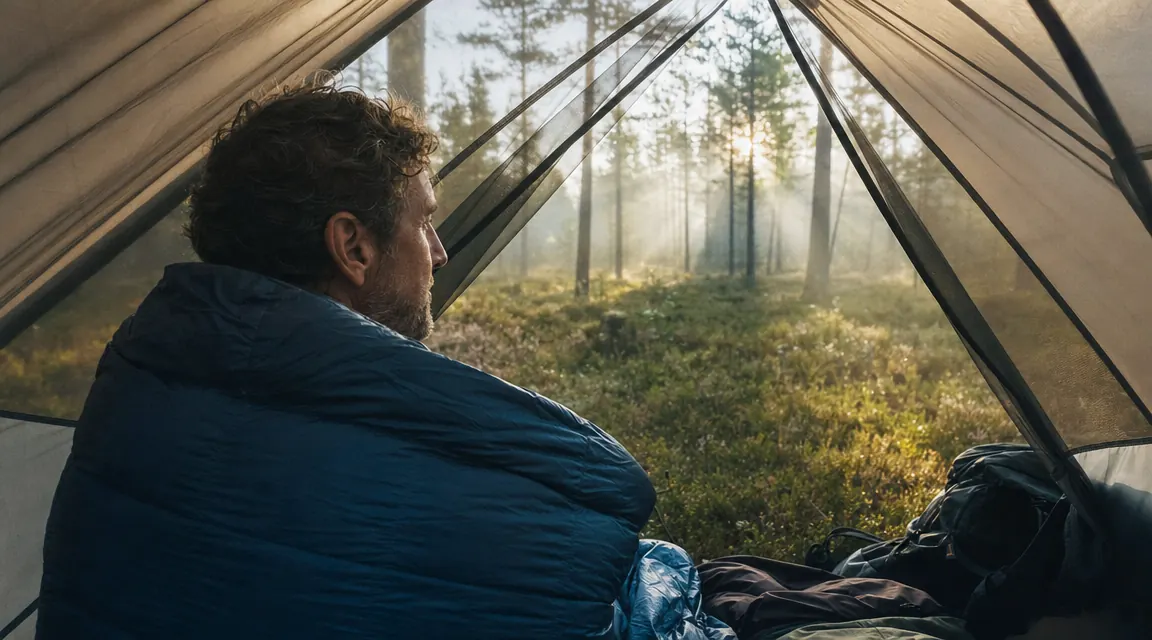
The storm hit hard overnight Saturday. I woke up twice to the sound of hard gusts bending the fly, checked that everything was still taut, and went back to sleep. No leaks. No pooling in the vestibule. The stakes held in wet soil, which I attribute partly to the DAC aluminum stakes included in the kit rather than the cheap wire stakes that come with most budget tents. The rain continued into Sunday morning and I made coffee in the vestibule without any of the water intrusion that would have come through my old tent's door gap. I drove home Sunday afternoon sunburned from the break in the clouds and already thinking about the next trip.
I've been using this tent for about four months now across eight separate trips, ranging from a family campground night with my daughter to a solo technical route in the North Cascades. It's handled damp Pacific Northwest spring weather, dry high-desert nights, and one actual thunderstorm I did not plan for. The only wear I've noticed is minor abrasion on one pole sleeve from my own rough packing habits, which says more about me than about the tent.
What I'd Tell You If We Were Sitting at My Kitchen Table
If you're going back and forth about whether it's worth replacing a tent that 'still works,' here's my honest take: if your current tent has ever made you hesitate before a trip because of weather, or made you dread the setup, or made you lie awake listening to rain wondering if it's about to fail, that's not just an inconvenience. That's the tent quietly eating into every trip. The right shelter is the one you don't think about. You pitch it, it does its job, you do yours. The Clostnature is that tent for me. For the current price on Amazon, it's the easiest gear upgrade I've made in years. You can read my deeper breakdown in the full long-term review, and if rain camping is a recurring concern, the guide to staying dry in the rain covers everything else that matters beyond the tent itself.
Ready to stop dreading the forecast?
Check today's price on the Clostnature lightweight 3-season tent on Amazon. Ships fast, 4.6 stars across nearly 3,000 reviews, and under five pounds for the whole setup.
Amazon Check Today's Price on Amazon →