
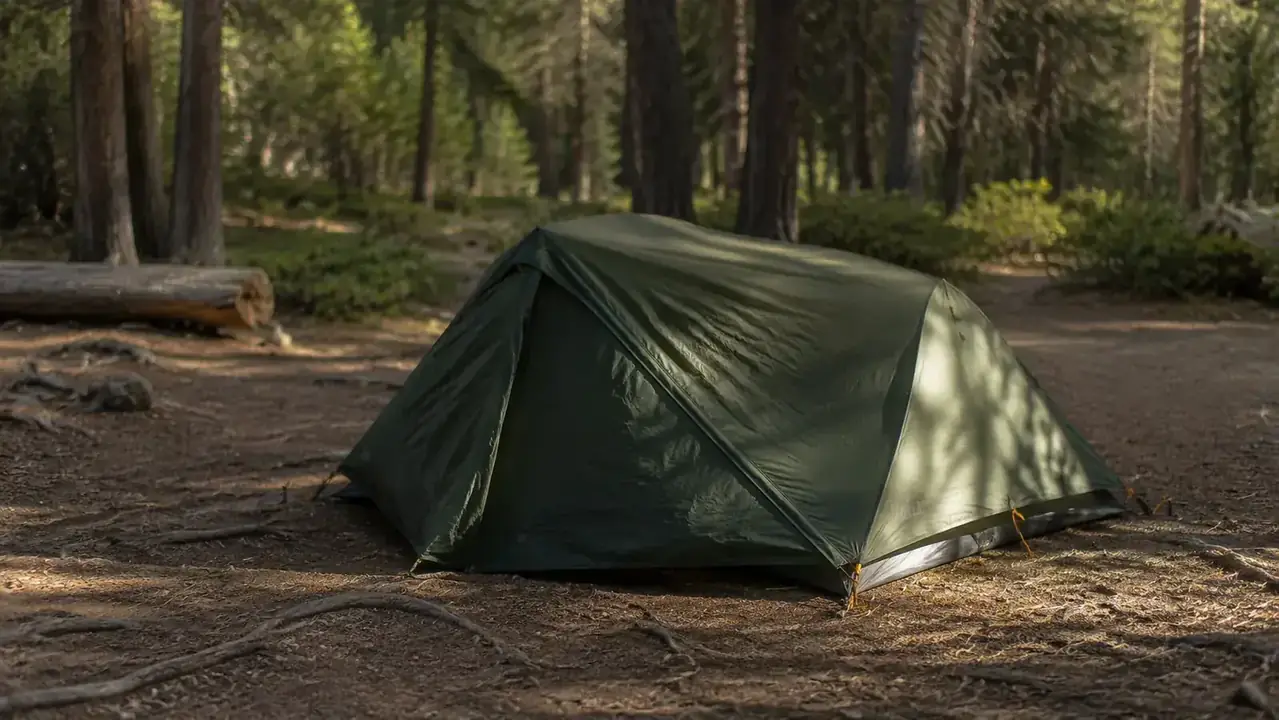
I want to talk about the three things buyers get wrong about this tent before they order it. Not because the Clostnature 2-person backpacking tent is a bad shelter, it is not, but because the gap between what the listing implies and what you actually get in the field is wide enough that people feel genuinely surprised when they open the box. Some of them send it back. I have hosted enough gear-swap conversations at the campsite to know exactly who returns it and why, and I would rather you hear that from me before you hit checkout.
I have put the Clostnature through more than 20 nights of overnight use across four different campsites. Two of those trips involved serious rain. I know what it does well and I know where it gets you into trouble if you are expecting more than the tent is built to deliver. So here is the version without the marketing spin.
The Quick Verdict
A genuinely solid sub-$100 shelter that earns its 4.6-star rating on weight and price, but the stake quality, condensation management, and interior head room will bother you if you came from a heavier, roomier tent.
Amazon Check Today's Price →If you are still weighing it up, check today's price on Amazon first.
The Clostnature 2-person lightweight tent runs well under $100 most days. If you are backpacking on a budget and you understand the tradeoffs I walk through below, it is hard to beat at this price point.
Amazon Check Today's Price on Amazon →The Three Things That Surprise New Owners
I have watched this pattern repeat enough times to take it seriously. Someone buys the Clostnature based on the photo and the star rating, gets it home, takes it to a campsite, and then posts in a gear forum or group chat something like, "I don't know, it just felt smaller than I expected." Or: "It sweated so bad inside I thought it was leaking." Or: "Two of my stakes bent on the first night." These are not random complaints. They are consistent, predictable, and all three are real.
Surprise One: The Interior Is Smaller Than the Photos Suggest
The listing says 2-person, and technically it sleeps two. What it does not say loudly enough is that the peak height is 43 inches, and that number drops fast toward both ends. If you are over six feet tall, your feet or your head will be pressing into the sloped inner wall before morning. Sitting up to get dressed is a bit of a negotiation. You are basically in a semi-upright crouch at the tallest point.
For solo use, this is close to a non-issue. With a 20- to 30-liter pack and a sleeping pad on one side, you have reasonable room to move around. For two people, especially two adults with real-sized gear, it is tight. Most two-person backpacking tents at this price point have this problem, the Clostnature is not uniquely cramped, but if you are coming from a car-camping tent with six-foot walls, the adjustment will feel significant.
The Clostnature is best understood as a genuine one-person solo tent or a snug two-person shelter for light packers who sleep close and do not need much elbow room after dark.
Surprise Two: Condensation Happens, and the Tent Does Not Hide It
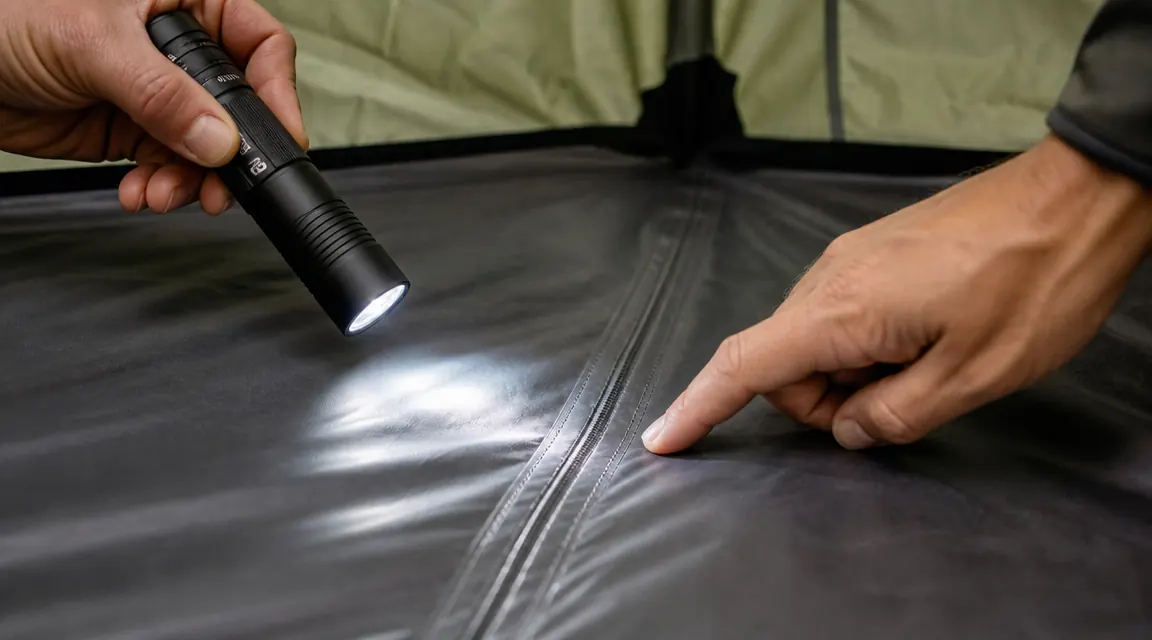
This is the one that generates the most confused buyer feedback, because people assume a tent with a rain fly is protecting them from moisture on the inside too. The Clostnature uses a double-wall design, which is correct and better than single-wall for this, but the inner tent body is largely mesh. That is actually a ventilation feature, not a flaw. Cool outside air flows through the mesh, warm air from your breath and body escapes rather than accumulating, and in dry or breezy conditions the tent stays dry inside.
The problem shows up on calm, humid nights, the kind you get in the Southeast, around mountain lakes, and in coastal forest zones. When outside air is already saturated, there is nowhere for the moisture from your breathing to go. It condenses on the underside of the rain fly and on the mesh. You wake up to what looks like the inside of a greenhouse. Some water can bead and drip onto your sleeping bag if the rain fly is pitched too close to the inner tent wall. The fix is to make sure you stake out the fly so there is an air gap between fly and inner tent on all sides. The instructions mention this, but a lot of first-time buyers skip it and then blame the tent.
So no, the tent is not leaking. But if condensation management is something you lose sleep over, either literally or figuratively, this tent requires some technique. It is not a set-it-and-forget-it shelter in high-humidity environments.
Surprise Three: The Included Stakes Are Marginal at Best
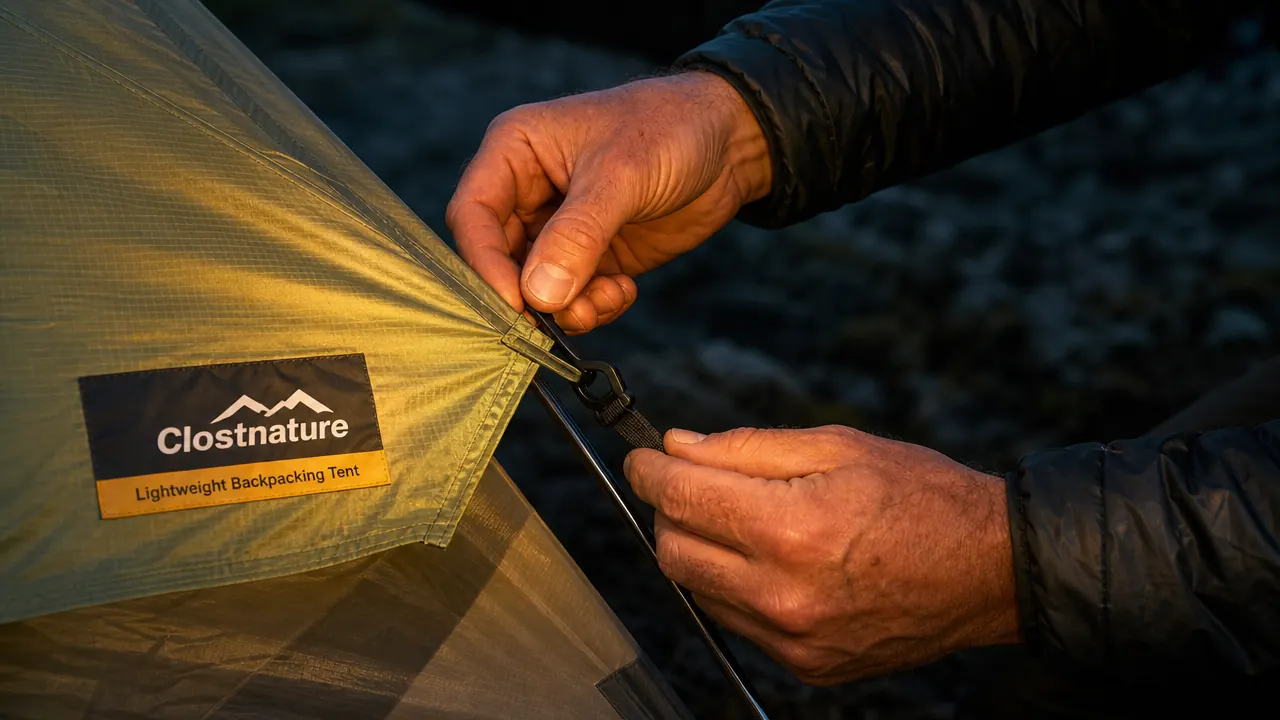
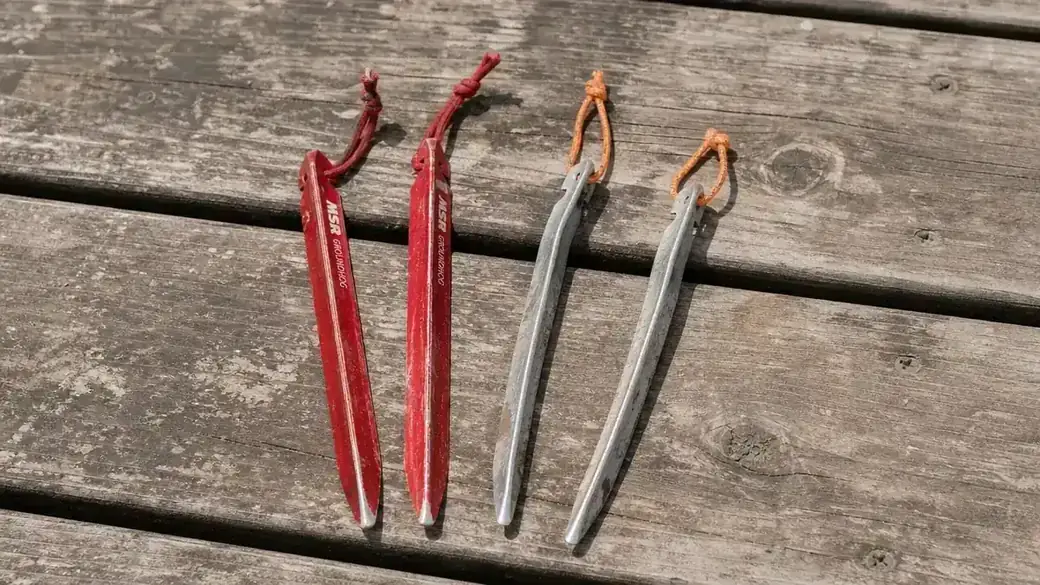
This is the most consistent complaint across the Amazon reviews and it is completely valid. The stock stakes are thin aluminum wire stakes, roughly six inches long, and they bend if you are pitching into compacted soil, gravel, or anything more resistant than soft loam. I bent two of mine on a gravel-mixed campsite on my second trip out. Fortunately, stakes are cheap and the fix is simple: budget an extra ten to fifteen dollars for a set of six to eight MSR or Vargo titanium or aluminum V-stakes before your first trip. Do not wait for the stock stakes to fail in the field.
Beyond the stakes, the pole clips and clip attachment points are where the engineering budget went, and they work well. The fiberglass poles flex without snapping under moderate stress, though experienced backpackers will note that fiberglass is heavier and less durable over many trips than aluminum or carbon poles. For a tent in this price range, fiberglass is the standard, just worth knowing.
What the Tent Actually Gets Right
Now that I have laid out the friction points, let me give the tent its due because the complaints above are real but they are not disqualifying. They are the predictable tradeoffs of a well-made sub-$100 backpacking shelter.
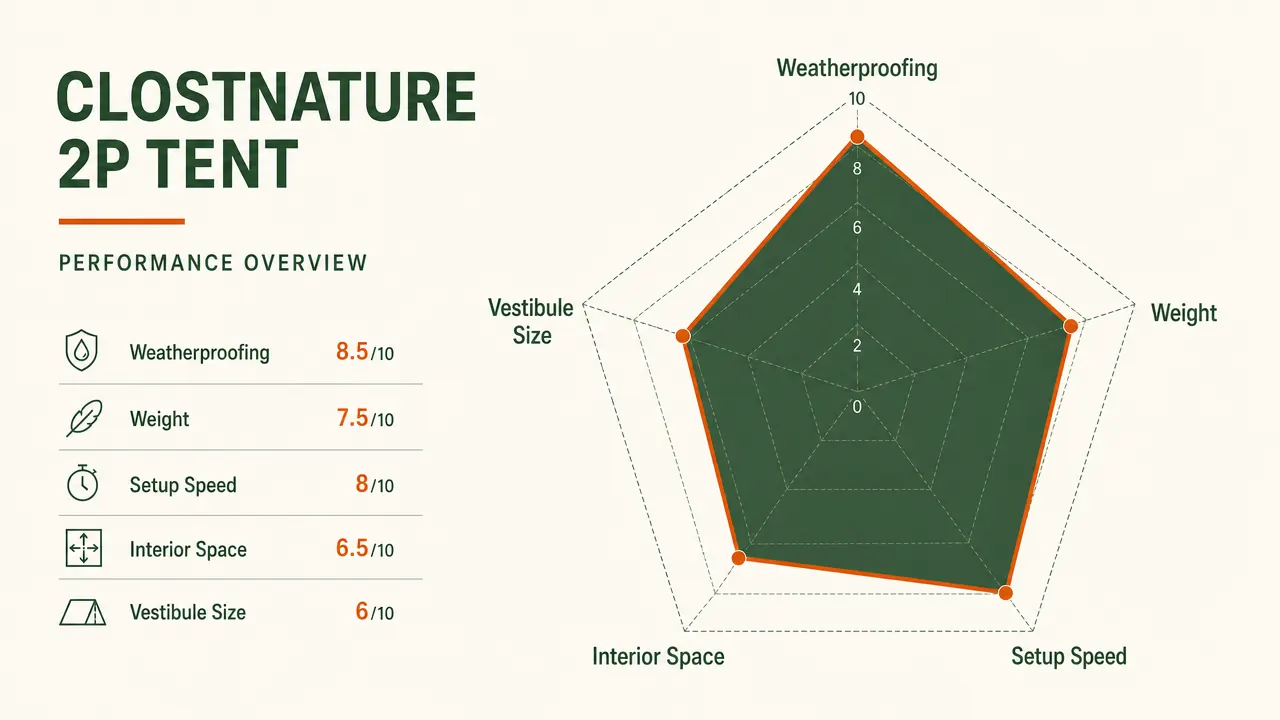
The setup is genuinely fast once you have done it twice. The freestanding design means you can pitch it on surfaces where stakes are inconvenient, though you still need to stake it out in any wind. The rain fly is a full coverage fly that comes down to the ground on all sides, which is better weather protection than you get from tarptent or partial-coverage designs. In actual rain, the tent performed well on two separate overnight trips, staying dry inside when the fly was staked out properly with an air gap.
The packed weight of roughly 4.4 pounds for the full kit, tent body, fly, poles, stakes, and stuff sack, is honest. That is not ultralight by backpacker standards, but it is manageable for three-season trips and significantly lighter than most dome tents in the recreational camping segment. The packed size compresses down to about the volume of a two-liter water bottle, which fits in or lashes to a 40-liter pack without drama.
The inner mesh pockets, two of them on each side, are well-placed and genuinely useful for keeping a headlamp, phone, and earplugs within reach after dark. The zipper quality on the doors is better than you expect at this price point. After 20-plus nights, both door zippers are still moving smoothly without snagging.
What I Liked
- Legitimately fast freestanding pitch once you know the routine
- Full-coverage rain fly with ground-level coverage handles real rain well
- 4.4-pound packed weight fits a 40-liter pack without issue
- Mesh inner walls keep it cooler and better-ventilated than solid-wall alternatives
- Door zippers have held up well through repeated field use
- Inner mesh pockets are well-placed and large enough to be functional
- Strong price-to-performance ratio under $100
Where It Falls Short
- Stock aluminum stakes bend in firm soil, replace them before trip one
- 43-inch peak height is snug for adults over six feet
- Condensation builds visibly on humid nights without careful fly staking
- Fiberglass poles add weight versus aluminum alternatives in pricier tents
- Two adults with full gear will feel cramped, especially near the foot ends
- Vestibule is functional but small, fits one large pack or two small ones
Who Returns This Tent and Why
Based on the pattern of one-star and two-star reviews, and conversations I have had with campers at shared sites, the returns cluster into three groups. First, car-campers who wanted a backpacking-weight tent but still expected car-camping interior space. The physics do not work: you cannot get 6-foot headroom in a 4.4-pound package. If that is your expectation, this tent will disappoint regardless of its actual quality.
Second, buyers who pitched in rocky or dry hardpack soil without upgraded stakes, had the tent collapse or pull out in wind, and blamed the tent. That is a fair complaint in the sense that the included stakes are inadequate for anything but soft earth. But it is solvable with a ten-dollar accessory purchase, not a return.
Third, couples who wanted genuine two-person sleeping comfort with room to sit up, read, change clothes, and store two full-sized packs inside. The Clostnature two-person classification is technically accurate but socially optimistic. If both people are under five-foot-ten and you sleep in coordinated minimalist conditions, it works. If you are packing two adults with normal camping gear into a three-season tent on a warm weekend, you will be touching elbows all night.
Who This Is For
The Clostnature shines as a solo backpacking shelter where weight and pack size are the primary constraints and you are not planning multi-night trips in exposed alpine or high-humidity conditions. It works well for car-camping trips where you want something lighter than a dome tent and you are comfortable with a tighter sleeping space. It is an excellent first real backpacking tent for someone transitioning from car camping who wants to understand the format before spending four hundred dollars on a Big Agnes or Nemo shelter.
Lightweight hikers doing weekend trips on established trails will find this tent covers everything they need. If you are doing three-season trips in the mid-Atlantic, Pacific Northwest, or Rocky Mountain region on moderate trails, not above treeline in January but not strictly flat desert either, this tent handles the full range. Pair it with upgraded stakes, pitch the fly with a gap for airflow, and it will do the job reliably.
Who Should Skip It
Skip the Clostnature if you are routinely camping in exposed, above-treeline locations with unpredictable wind, the fiberglass poles and lightweight fly are not built for sustained gale-force gusts. Skip it if you are doing high-humidity coastal or jungle-adjacent camping where condensation management is critical and you do not want to think about fly staking technique every night. Skip it if two adults of normal size expect to live comfortably in the tent for multi-night trips with gear and a bit of personal space.
Also skip it if you are already an experienced backpacker with a specific kit. At that point you already know whether the weight-to-space-to-weather-protection triangle of this tent fits your needs, and if you are used to paying for a better pole system and thicker rainfly fabric, this tent will feel like a downgrade. It is built for the price point, and the price point is what makes it great for the right buyer.
If you have read this far and the tradeoffs I described sound manageable or irrelevant to your use case, that is a strong signal this tent is worth a look. If two or three of the cons made you wince, pay a bit more for something built to different tolerances. Either way, you now know what the listing does not tell you.
Still the best sub-$100 backpacking shelter I have found for solo and light two-person use.
After 20-plus nights in it, the Clostnature is the tent I hand to friends who are getting into backpacking and do not want to spend four hundred dollars to find out if they like it. Replace the stakes, stake the fly out properly, and it earns its 4.6 stars. Check the current price on Amazon.
Amazon Check Today's Price on Amazon →